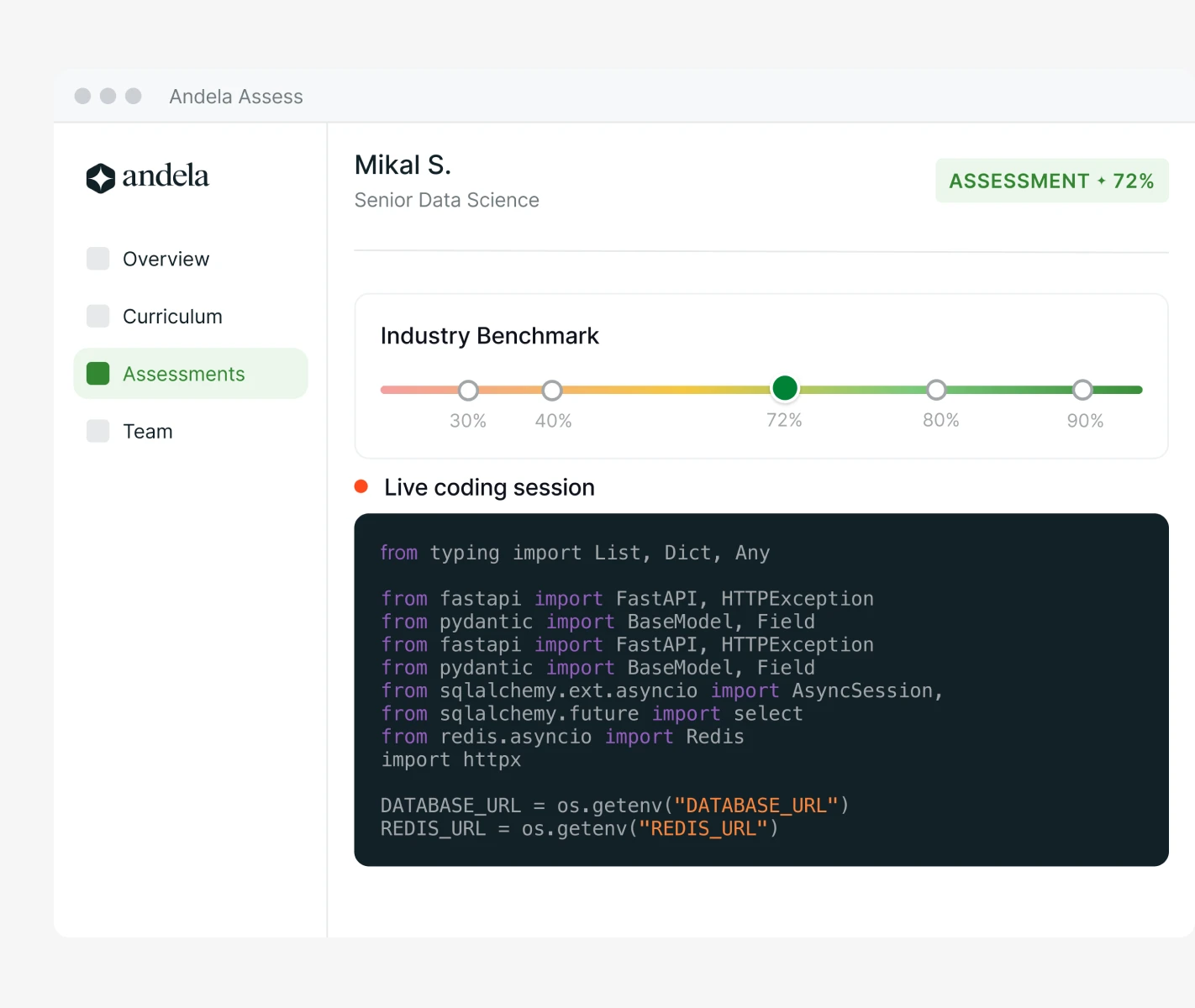
Assess agentic AI adoption across your engineering teams
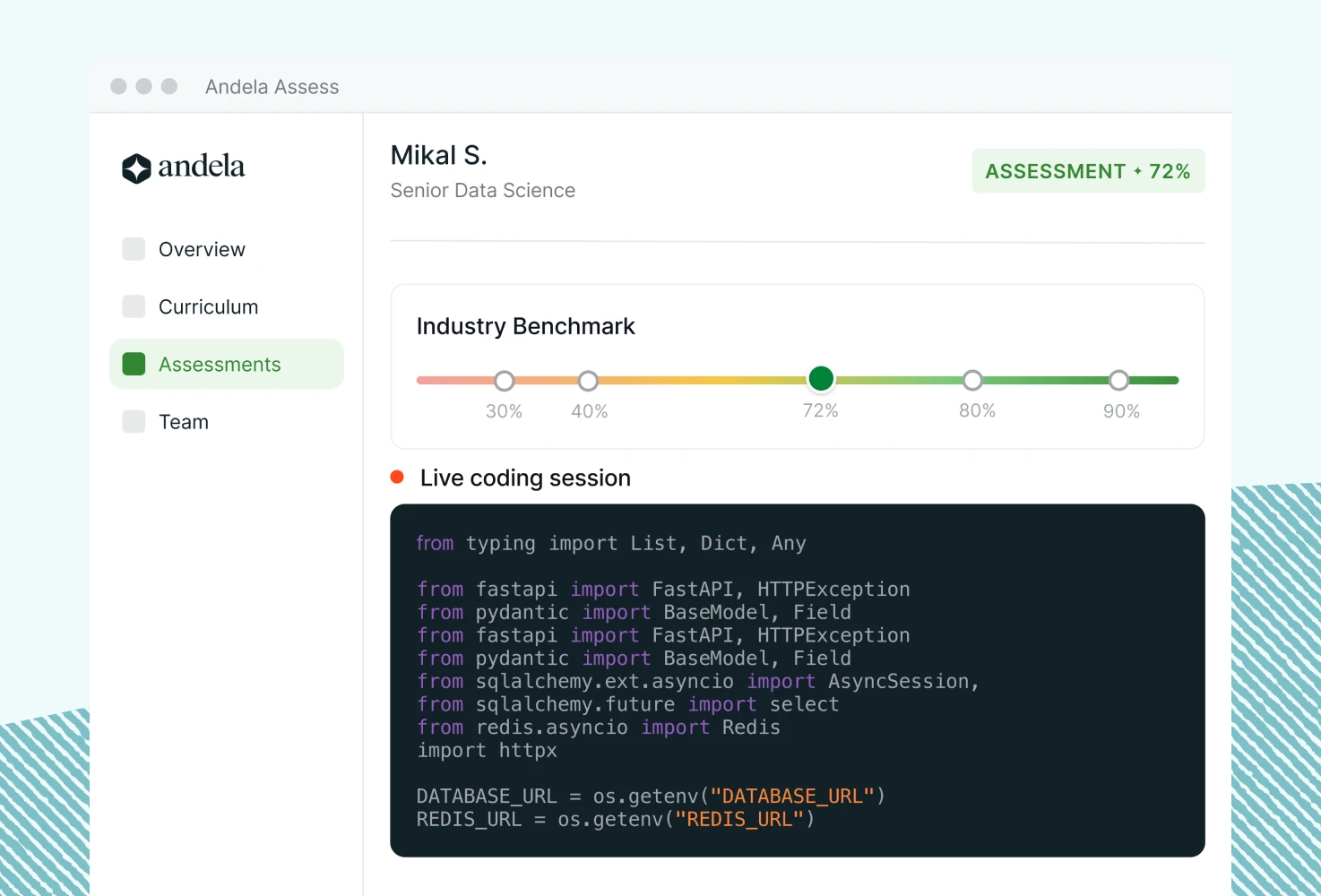
Access & usage don’t measure true adoption
Usage tells you whether engineers are using AI. It doesn't tell you whether they are using it well. Get a baseline for the capabilities behind effective AI-assisted engineering, so you can see where teams are strong, where they are stuck, and what is getting in the way of greater impact.
The agentic engineering assessment
Identify AI capability gaps and opportunities to improve engineering performance in less time than a typical code review.
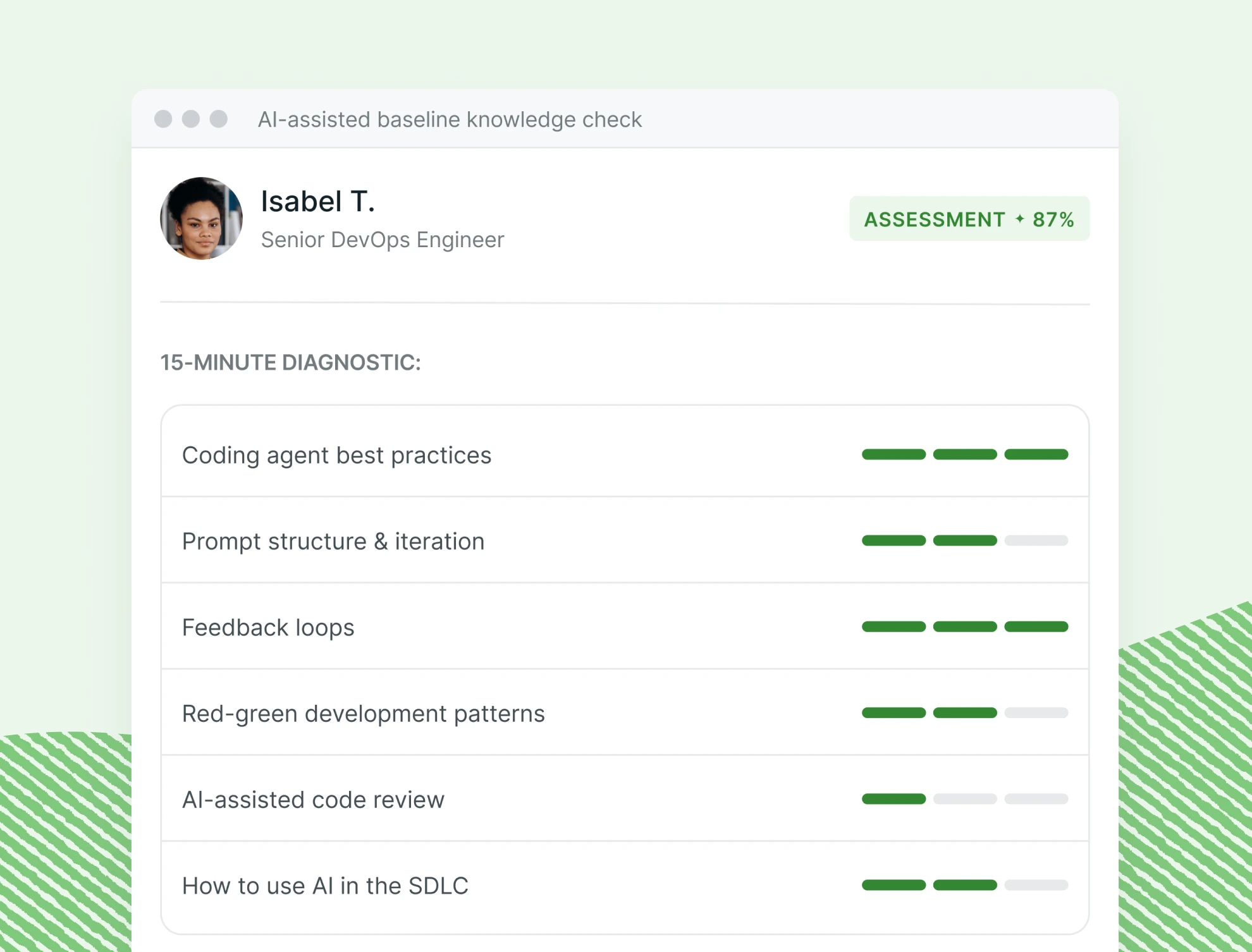
AI-assisted baseline knowledge check
Assess whether engineers have the foundational knowledge and judgment to work effectively with agents across real-world engineering scenarios.
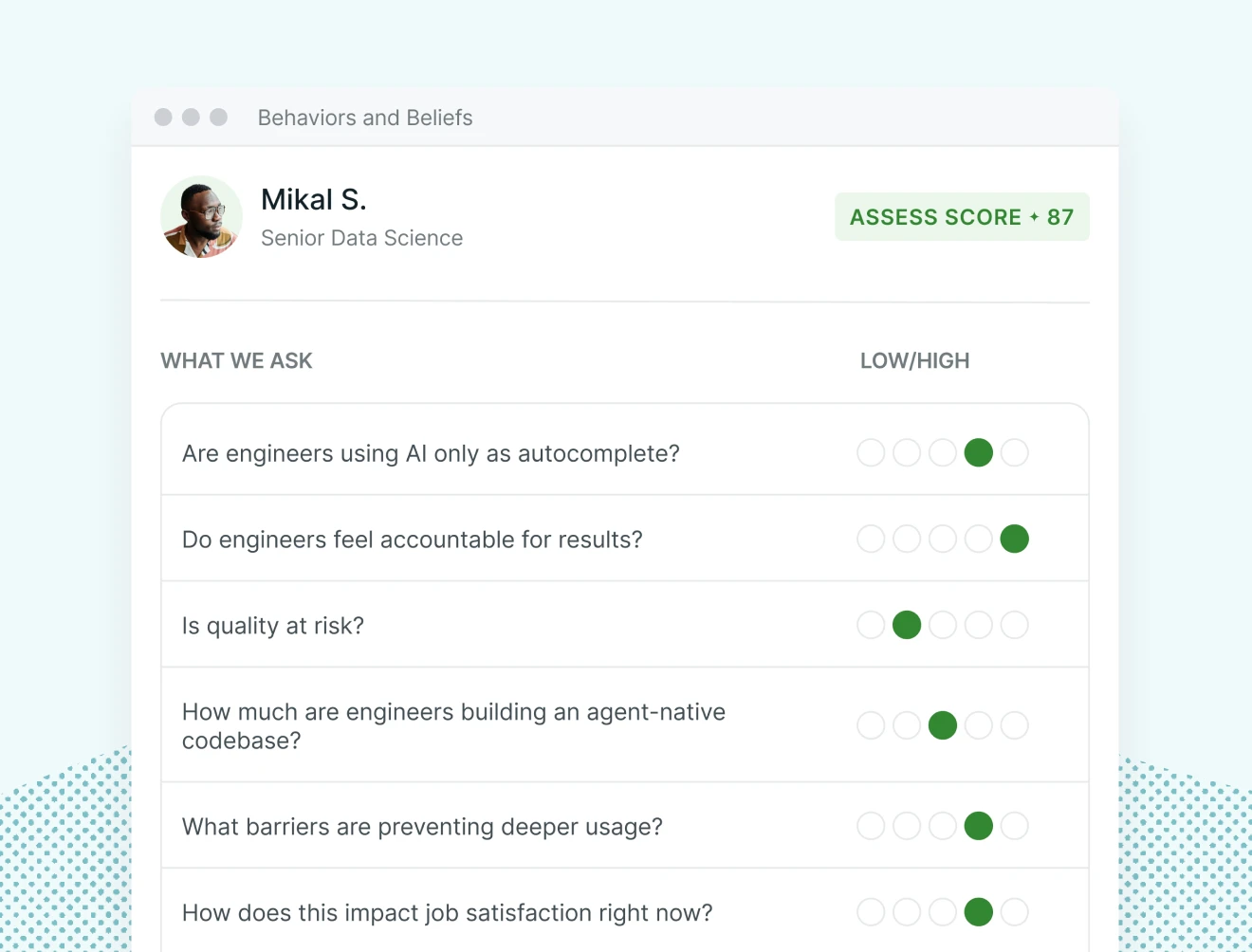
Behaviors and beliefs
Understand how engineers are using AI today, how deeply it's embedded in their workflows, and what barriers are preventing more effective adoption.
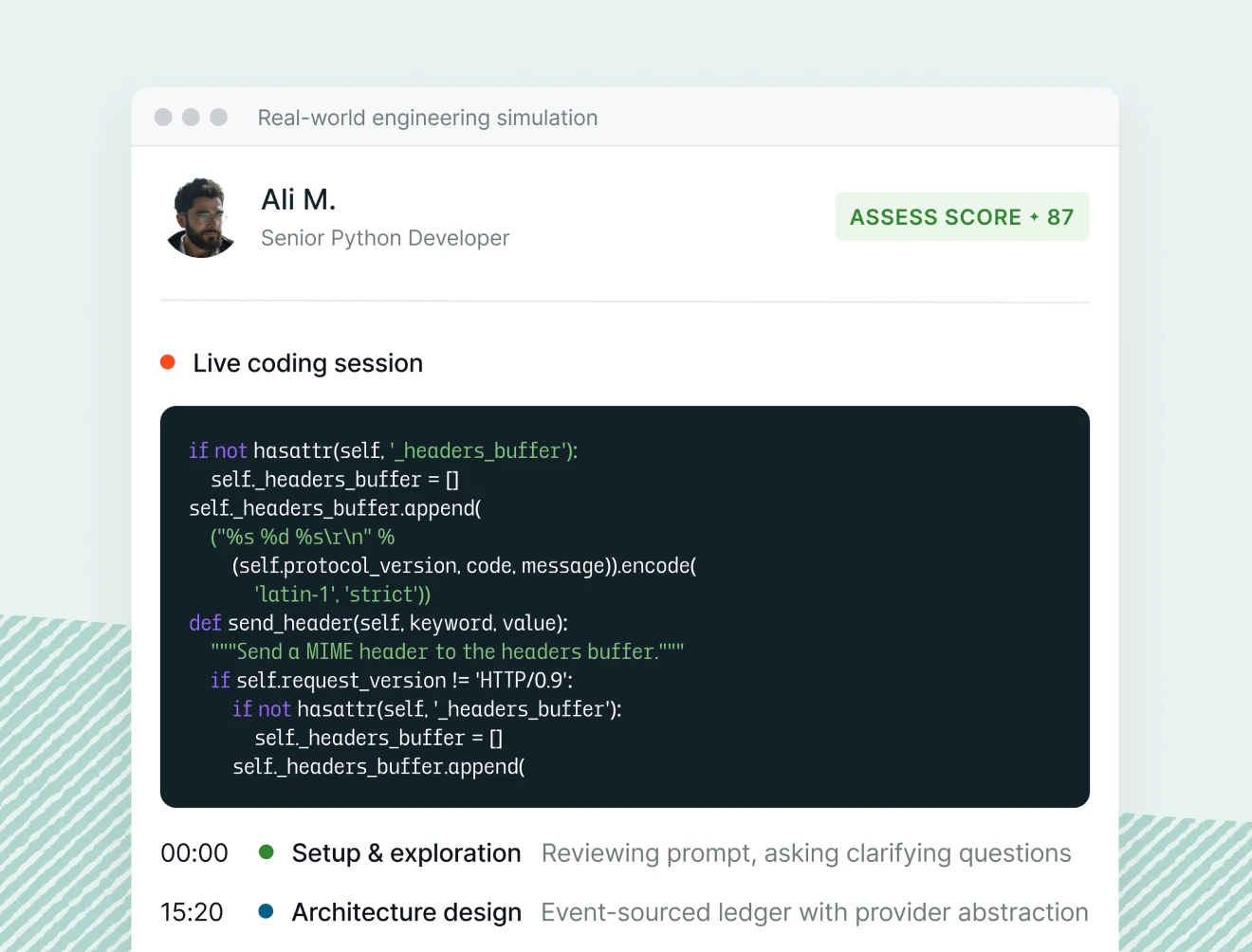
Real-world engineering simulation
Measure how effectively engineers apply agentic engineering practices to real coding challenges, beyond what they know or report using.
Get a full diagnostic report
Access AI engineers, production delivery, and workforce training in a single platform designed for enterprise AI transformation.
Benchmark engineering proficiency against core agentic engineering practices.
Understand how effectively teams use AI across development, testing, review, and debugging.
Identify where capabilities are strong, uneven, or need targeted improvement.
Uncover the skills, behaviors, and workflow challenges limiting AI value.
Get a prioritized action plan to improve proficiency and accelerate impact.
Turn assessment insights into action
Assessment is the starting point. Andela helps you close capability gaps, transform engineering workflows, and build the systems needed to scale AI.
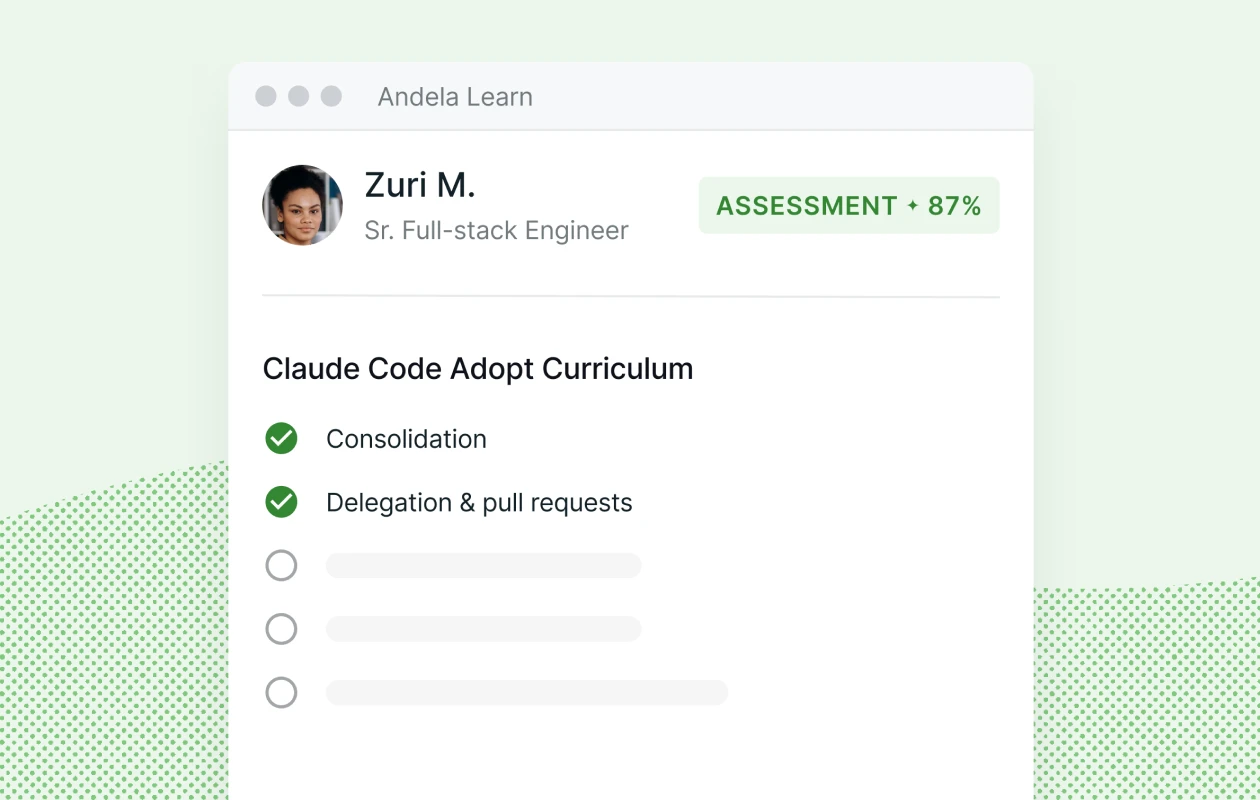
Close identified skill gaps through applied learning grounded in real engineering work. Improve AI proficiency, accelerate productivity, and advance multi-agent orchestration.
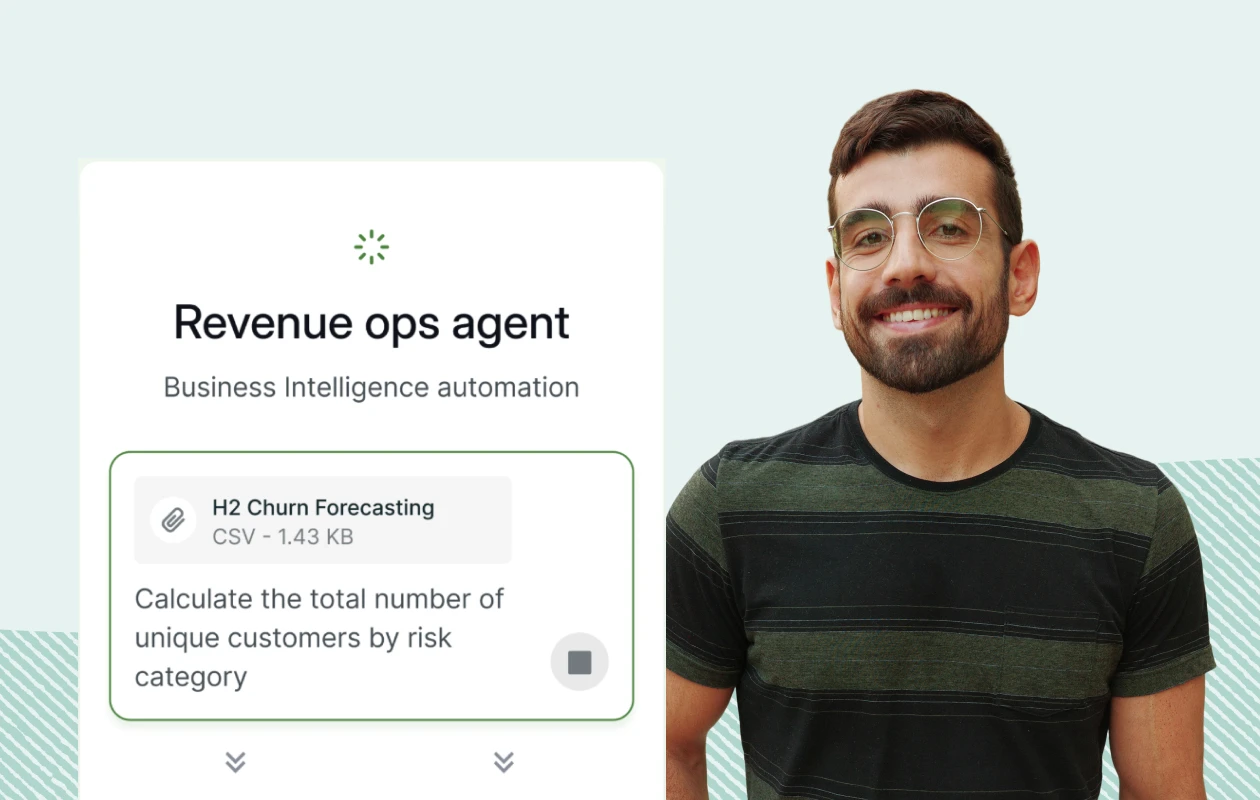
Modernize systems and data, connect enterprise knowledge, and deploy governed AI workflows through fully managed teams or embedded technical talent.
Building agentic-first engineering practices
Andela helps enterprises redesign how people, AI tools, workflows, and systems come together across the enterprise.




FAQs
Andela’s agentic engineering assessment measures how engineers work with AI coding agents: what they know, how they use AI day to day, and how well they apply agentic engineering practices on real engineering tasks.
The assessment has three parts:
- Knowledge check: Do engineers understand the practices behind effective agentic engineering?
- Behaviors and beliefs: How are engineers using AI today, and what’s preventing deeper adoption?
- Real-world engineering simulation: Can engineers put those practices into action in a realistic codebase?
Results show where teams are strong, where capability breaks down, and what will help them move forward.
The assessment works with: GitHub Copilot, Claude Code, and OpenAI Codex.
Andela Assess is built for enterprise engineering organizations that have invested in AI coding tools and need to know whether that investment is changing how engineering work gets done.
It’s designed for:
- CIOs, CTOs, and engineering leaders accountable for AI adoption, productivity, and ROI
- Engineering directors and managers who need to see where teams are strong, where they’re stuck, and which practices to spread
- HR and L&D leaders who need a skills baseline to target learning investments and measure their impact
Software engineers take the assessment. Leaders use the results to decide where to invest next.
Usage tells you whether engineers are using AI. It doesn’t tell you whether they’re using it well. The signals most teams rely on today leave that gap open:
- Usage dashboards: License activation, weekly active users, accepted suggestions, and token counts show activity. They can’t show whether engineers give agents the right context, validate what agents produce, or ship better code with less rework.
- Self-reported skills: Surveys capture how engineers see their own skills. Andela pairs a short survey with a knowledge check and a hands-on simulation, so you can compare what engineers report with what they do.
- Traditional coding tests: Most coding tests measure whether someone can solve a well-defined problem by hand. Andela’s assessment measures how engineers direct AI agents through ambiguous tasks in a brownfield codebase, which is closer to their day-to-day work.
The result is a measured baseline of AI-assisted engineering capability that you can track over time.
The assessment focuses on the practices that separate basic AI use from effective agentic engineering:
- Context engineering: Structuring prompts, instructions, and context files such as AGENTS.md so agents have what they need.
- Planning and delegation: Using plan mode, breaking work into well-scoped tasks, and coordinating multiple or parallel agents.
- Tools and integrations: Configuring agents and connecting tools and data through MCP.
- Testing and validation: Using tests, feedback loops, and red-green development to verify AI-generated work.
- Code review and debugging: Reviewing, debugging, and improving code with AI support.
- Engineering judgment: Making sound architectural decisions, staying accountable for quality, and knowing when and how to use AI across the SDLC.
The simulation is also graded on communication quality and on how engineers use business context, so results reflect problem-solving and judgment as well as tool knowledge.
About two hours per engineer, across three parts:
- Knowledge check: 15 minutes
- Behaviors and beliefs questionnaire: 5 minutes
- Real-world engineering simulation: About 1.5 hours, across two scenarios
Engineers complete the assessment online, on their own schedule, using the coding agent they already work with.
For your team’s point of contact, the commitment is two calls: a 30-minute customization call before launch and a 45-minute results review afterward.
Each part of the assessment produces a different signal, and results are reported overall and for each part:
- Knowledge check: Scenario-based questions are scored against core practices such as goal setting, plan mode, testing, context files, and MCP.
- Output grading: Simulation work is graded for accuracy, architecture, and communication quality. A human team calibrates scores to ensure correctness.
- Behavioral signal: Andela analyzes session logs to see which advanced practices engineers used, such as plan mode, worktrees, and parallel agents.
- Benchmarks: Scores are calibrated to role and seniority expectations and benchmarked against broader industry data.
The behaviors and beliefs questionnaire adds context on how engineers use AI day to day and what’s getting in their way.
Yes. The assessment is designed for AI use and measures how well engineers use it. That design also makes results hard to game:
- An AI baseline: Scores reflect how much an engineer’s work improves on what a model produces from the task alone. Pasting the task into an agent and submitting the output adds nothing above that baseline.
- Behavior as well as output: Session logs show how engineers steered the agent, including whether they planned, broke down the work, and validated results.
- Realistic ambiguity: Scenarios use a brownfield codebase with technical debt and incomplete context, so strong results depend on judgment rather than a single good prompt.
- Human calibration: A human team reviews and calibrates scores.
When the assessment is used to baseline your teams rather than as a pass/fail gate, engineers also have little reason to game it.
The assessment is built for software engineering teams working with AI coding agents:
- AI coding tools: GitHub Copilot, Claude Code, and OpenAI Codex. Engineers are assessed on the tool they use every day, and results stay comparable across tools.
- Roles: Software engineers, including full-stack and back-end engineers.
- Tech stacks: Python, Java, .NET, Ruby, and Node.js.
In the customization call, we tailor the assessment to your roles, tech stacks, and the tools engineers can use. If your team includes other technical roles, such as data or ML engineers, talk to us about coverage.
No. The simulation runs in a realistic brownfield codebase that Andela provides, in your tech stack, with the kind of technical debt and architecture issues engineers deal with on real projects. Your source code, data, and production systems stay out of scope.
Engineers only need access to the AI coding tool they already use. The simulation is real agentic work, so it uses model capacity like any comparable task. We recommend engineers check their usage limits before they start.
You get a clear picture of your team’s agentic engineering readiness, what’s limiting impact, and where to focus next:
- AI capability baseline: Where engineers stand on core agentic engineering practices, benchmarked against role expectations and industry data.
- AI usage depth: How effectively teams use AI across development, testing, review, and debugging, from autocomplete to agent-led workflows.
- Team strengths and gaps: How capability is distributed across the team and by seniority, including clusters, outliers, and uneven areas.
- Barriers to impact: The skills, behaviors, and workflow challenges limiting AI value.
- Recommended next steps: A prioritized plan, such as what share of the team should start with Adopt or Impact, and where enablement or added capacity would help most.
Andela walks through the results with you in a results review call. Each engineer also receives personal feedback on the two or three changes that would most improve how they work with AI.
Each engineer receives their own results and personal feedback. Leaders receive a team-level readout: how capability is distributed, where the strengths and gaps are, and what to do next.
Reporting focuses on the team because the goal is to guide where you invest. Assessment that feels like surveillance erodes trust and makes results less reliable.
No. The assessment sets a baseline for where teams are today, so you can see where they need support. It isn’t pass/fail, and it isn’t designed to rank individuals.
Engineers who feel judged are less likely to engage, so the process is built to feel safe:
- Team-level reporting: Leaders see patterns and recommendations for the team, and each engineer gets their own results.
- Value for engineers: Every engineer receives practical feedback on how to work more effectively with AI.
- Clear framing: We share guidance on how to introduce the assessment, so engineers know why it’s happening and how results will be used.
- Local requirements: Where rules on assessing employees are stricter, such as in parts of Europe, we can adapt the format, for example by starting with a lighter, survey-based baseline.
Gaps point to where to invest in skills, workflows, or technical support.
No. You can start with a representative sample.
- Start with a sample: For a first baseline, we recommend about 10 completed assessments per role. Not everyone finishes, so plan to invite about 20 engineers per role.
- Assess everyone before learning: When you launch a learning program, assessing every participant places each engineer at the right starting point, whether that’s Adopt, Impact, or Transform.
- Expand from there: Retest the same group after learning, or add teams as you scale.
Andela runs the process end to end, from setup through scoring and reporting:
- Customization call (30 minutes): We align on your goals, roles, tech stacks, and which AI tools engineers can use, then tailor the assessment. If you’re assessing more than one role, allow an extra 15 minutes.
- Distribution: Andela sends assessment links directly to the engineers on your list.
- Assessment: Engineers complete the three-part assessment online in about two hours.
- Scoring and analysis: Andela grades the work, calibrates scores, and analyzes results across the team.
- Results review (45 minutes): We walk you through team-level insights, skill gaps, and recommended next steps.
Mostly a list of engineers and a little time. Andela handles setup, distribution, scoring, and reporting.
- A point of contact: Someone to join the customization and results review calls and coordinate with engineers.
- A list of engineers: About 20 per role for a sample baseline, or every participant if the assessment is the first step in a learning program.
- Context on your teams: Roles, tech stacks, and the AI coding tools engineers use, so we can tailor the assessment.
- AI tool access: An active GitHub Copilot, Claude Code, or OpenAI Codex seat for each engineer.
- Engineer time: About two hours for each engineer who takes the assessment.
Assessment shows whether that training changed how engineers work, and where to focus next.
- Measure what training changed: Assess engineers who completed your program alongside engineers who didn’t, and compare the results.
- Get an independent read: Assess now, then retest after your next round of training to measure the change.
- Get an independent read: Assess now, then retest after your next round of training to measure the change.
The assessment complements your existing L&D programs and tools with an objective benchmark.
Yes. The assessment works best as a repeatable baseline:
- Test and retest: Reassess the same engineers after a learning program, or at regular intervals, to measure capability growth.
- See how the team moves: Compare results before and after, including which skills improved most and whether engineers who started further behind caught up.
- Track adoption: In Andela Learn programs, exit assessments and 30/60/90-day adoption pulses show whether new skills carry into everyday work.
Assessment is the starting point. Results point to the right next step:
- Andela Learn: Close skill gaps through applied, assessment-led learning. Results place each engineer in the right program (Adopt, Impact, or Transform), and exit assessments measure growth.
- Andela Deploy: Bring enterprise AI into production. Andela modernizes systems and data, connects enterprise knowledge, and deploys governed AI workflows through fully managed teams or embedded technical talent.
Many teams need both: learning to build capability, and delivery support to move priority work forward while that capability grows.
Andela Assess is designed as the first step in Andela’s AI adoption programs. When it’s part of an Andela Learn program, entry and exit assessments are included in the per-learner price.
If you’d like to start with assessment only, for example to baseline a sample group before deciding on next steps, talk to our team about scope. Pricing depends on the number of engineers and roles, and whether you plan to retest.
Andela has spent more than a decade assessing and developing engineers, and Andela Assess builds on that experience.
- Built on real work: Scenario-based assessments mirror real engineering work, are built by domain experts, and are graded against calibrated rubrics with human review.
- Measures human value-add: Scores show what engineers add beyond what AI produces on its own.
- Grounded in a skills taxonomy: Andela’s living skills taxonomy, with 4,000+ mapped technical skills, informs scenarios, rubrics, and benchmarks.
- Proven in Andela’s own vetting: Andela uses the same assessment approach to vet engineers for its global talent network.
- Tool-agnostic: The assessment works across GitHub Copilot, Claude Code, and OpenAI Codex, backed by partnerships with GitHub, OpenAI, and Anthropic.
- Connected to action: Results lead directly into applied learning through Andela Learn and production delivery through Andela Deploy.
Start with a discovery call. We’ll talk through your AI tools, engineering teams, and what you want to learn, then recommend whether to begin with a sample baseline or assess everyone ahead of a learning program.
From there, a 30-minute customization call tailors the assessment to your roles and tech stacks, and Andela sends assessment links to your engineers.